US Sanctions Russian Exploit Broker Operation Zero for Acquiring Stolen Zero-Days From Jailed L3Harris Executive
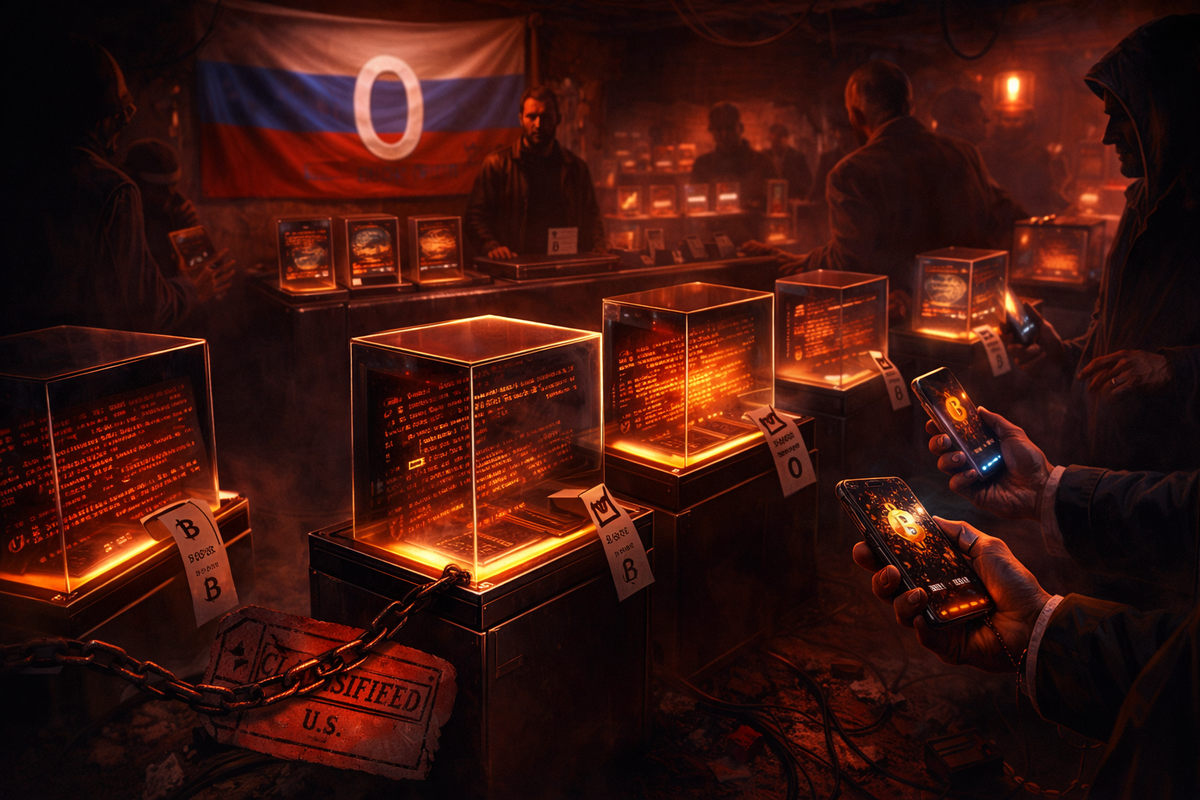
The US government has sanctioned Russian exploit broker Operation Zero (Matrix LLC), its owner Sergey Sergeyevich Zelenyuk, and six associated individuals and entities for acquiring and distributing cyber exploits that harmed national security.
The sanctions directly follow the sentencing of Peter Williams, the former L3Harris/Trenchant cyber executive who was jailed for 87 months after selling eight zero-day exploits that were restricted for use by the US government and allied entities. Operation Zero paid $1.3 million in cryptocurrency for those stolen tools.
Operation Zero's Business Model
According to the Department of State and Treasury's Office of Foreign Assets Control (OFAC), Operation Zero operates as an exploit broker that has offered millions of dollars for zero-day vulnerabilities and sold them exclusively to customers in non-NATO countries — some of which used the exploits in ransomware attacks and other malicious operations.
Through Operation Zero, Zelenyuk sought to:
- Sell exploits to foreign intelligence agencies outside NATO
- Develop cyber intelligence systems including spyware
- Recruit hackers to support offensive operations
Zelenyuk also established Special Technology Services LLC FZ (STS) in the UAE specifically to circumvent US sanctions on Russian bank accounts and conduct business with entities across Asia and the Middle East.
Sanctioned Individuals and Entities
The coordinated action by the State Department and OFAC targets seven individuals and organizations:
- Sergey Sergeyevich Zelenyuk — owner and director of Operation Zero
- Operation Zero (Matrix LLC) — Russian exploit broker
- Special Technology Services LLC FZ (STS) — UAE-based front company
- Marina Evgenyevna Vasanovich — Zelenyuk's assistant
- Oleg Vyacheslavovich Kucherov — suspected Trickbot hacking group member
- Azizjon Makhmudovich Mamashoyev — former Operation Zero associate
- Advance Security Solutions — exploit broker and offensive cyber company established by Mamashoyev, operating in the UAE and Uzbekistan
The inclusion of a suspected Trickbot member in the sanctions package suggests deeper connections between Operation Zero's client network and organized cybercrime operations beyond state-sponsored espionage.
The Exploit Supply Chain Exposed
The Williams-to-Operation Zero pipeline illustrates the lifecycle of stolen offensive cyber tools: developed under government contract, stolen by a trusted insider, sold to a foreign broker for cryptocurrency, and ultimately distributed to intelligence agencies and cybercriminals who weaponized them against targets the tools were originally designed to protect.
The $1.3 million Operation Zero paid for eight exploits represents a fraction of their operational value — zero-days restricted to US government use carry significant intelligence value when redirected to adversary nations.
Defender Implications
- Exploit provenance matters — organizations should assume that sophisticated zero-day exploitation may involve tools originally developed for allied intelligence use
- UAE as an offensive cyber hub — both STS and Advance Security Solutions operated from the UAE, reinforcing the region's growing role as a base for exploit brokers and offensive cyber companies
- Cryptocurrency as the payment rail — the $1.3 million transaction underscores why blockchain analysis capabilities are increasingly critical for tracking the exploit trade